Introduction
The United States’ sweeping tariffs in 2025 have unleashed a surge of global retaliatory US sentiments, igniting aggressive countermeasures, diplomatic maneuvering, and a deepening debate about the future of trade. As trade tensions intensify, the world’s reprisal against US tariffs is transforming international markets and could fundamentally reshape global commerce.
Retaliatory Measures Across the Globe
China has responded most aggressively, slapping tariffs up to 125% on select US exports, limiting rare mineral exports, and blacklisting American firms. Canada imposed nearly $21billion in counter-tariffs on steel, aluminum, autos, and symbolic US goods, further amplified by a nationwide ‘Buy Canadian’ boycott and declining demand for US products. Brazil has invoked its Reciprocity Law, mirroring US duties and taking the dispute to the WTO, while Mexico signals readiness for retaliation but focuses more on negotiations and non-tariff responses.
In Europe, the EU has drafted tariffs covering more than 4,950 US products—from whiskey to aircraft—while pausing implementation to allow negotiations. India, an especially vocal challenger, formally notified the WTO of possible countermeasures, denounced US actions as unjustified, and is actively diversifying export markets through new ASEAN and African trade deals. Indonesia has followed a diplomatic route, proposing increased imports from the US in exchange for concessions.
Coordination Efforts and the WTO
While a unified global front is yet to materialize, coordination is rising: The EU, Canada, and Japan are pooling data and preparing joint legal action. China and other emerging economies are informally synchronizing retaliation efforts. G20 ministers have issued unified statements condemning the US tariffs, while the WTO remains the primary—if embattled—forum for resolving disputes.
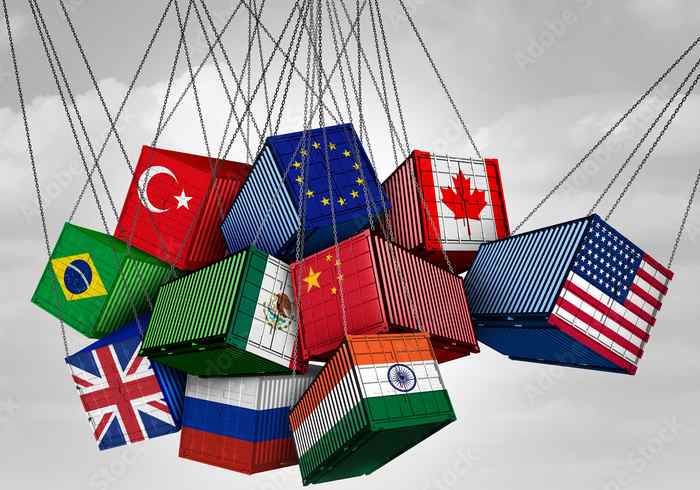
The Rising Retaliatory-USA Wave
This dispute is spawning a “Retaliatory-USA” wave, extending beyond economics:
- Consumer boycotts in Canada and Europe target not only tariffed items but also US entertainment and technology.
- Political rhetoric in India, Brazil, and South Africa now frames tariffs as proof of American economic dominance.
- Media and trade analysts increasingly stress South-South partnerships and the strategic move to reduce dependence on US markets.
Outlook and Paths to Resolution
If these global retaliatory US sentiments persist, trade diversification may accelerate, undermining US export markets and potentially eroding dollar dominance. Possible resolutions include phased rollbacks of tariffs, targeted new trade deals, WTO-mediated settlements, and joint infrastructure or climate initiatives to restore cooperation and trust.
In conclusion, America’s broad tariff regime has sparked not only a trade war but also a deep reputational challenge. Without a return to equitable and predictable trade engagement, the current tide of resistance risks hardening into a new global realignment—putting America’s trusted trade partner status in jeopardy.